When Food Waste Becomes a Design Problem: Why the Eco 75 Exists

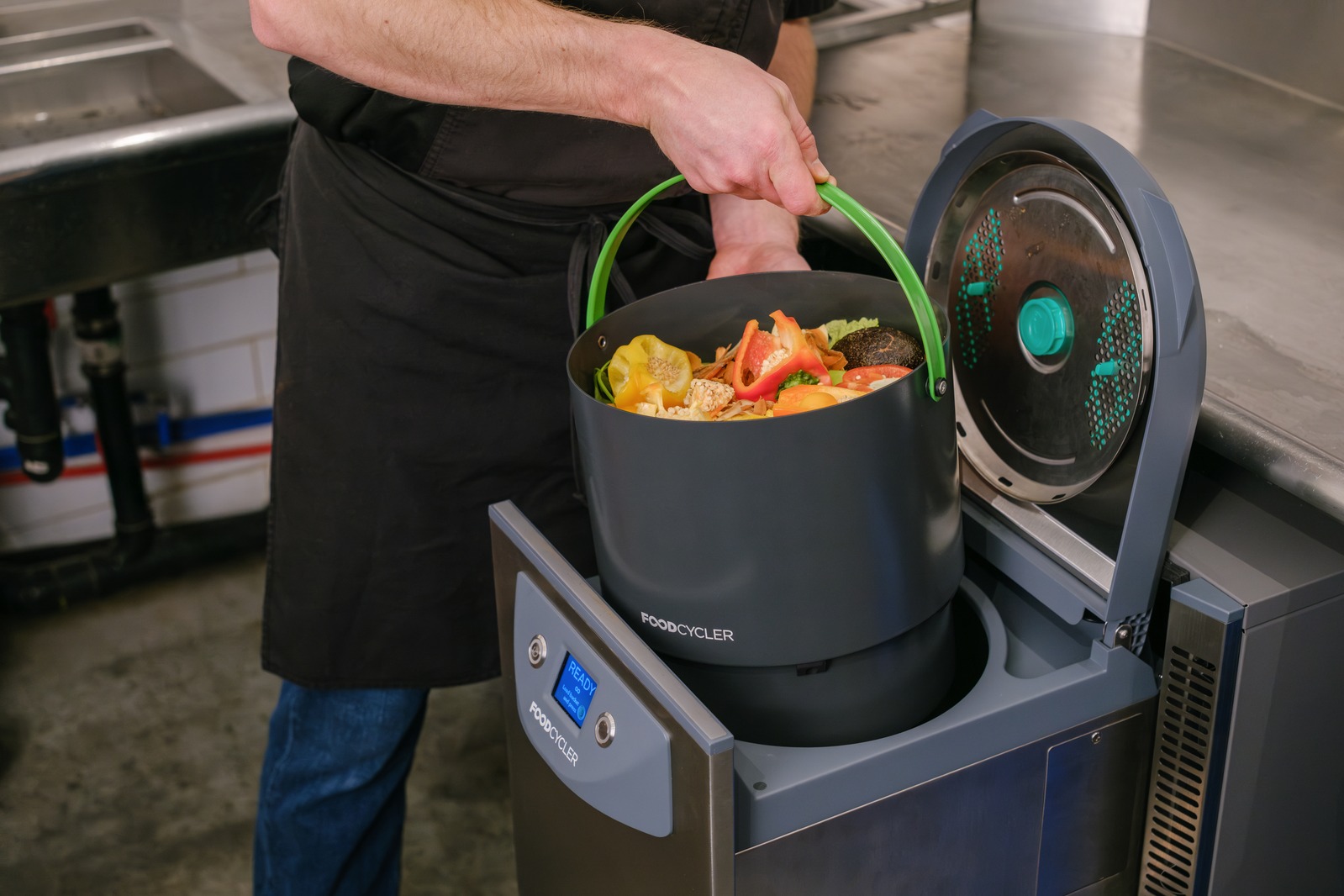
Designed for Real-World Food Waste
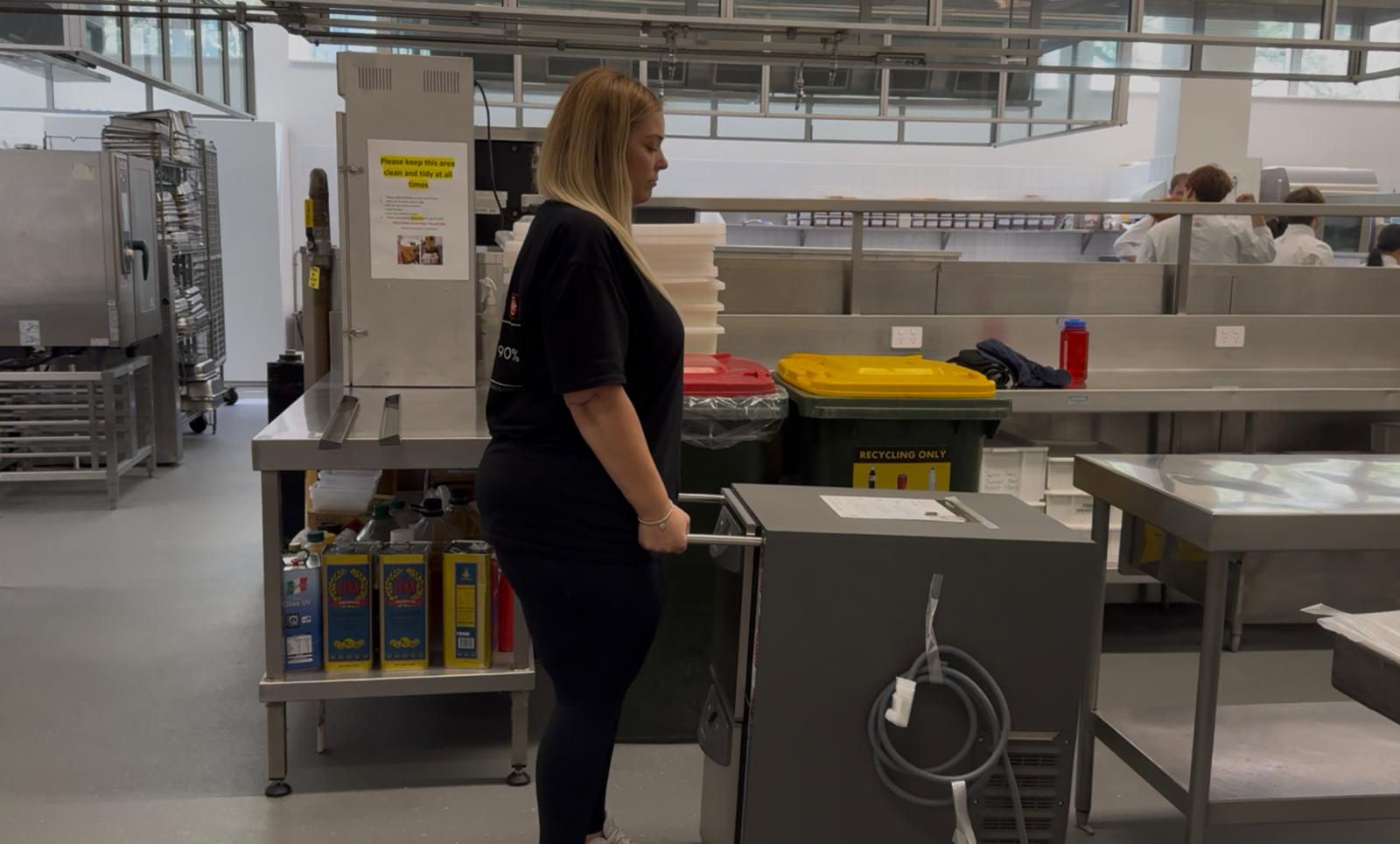
The Eco 75 sits in the space between benchtop solutions and large industrial systems. It is purpose-built for environments where food waste volumes are meaningful, but space, logistics, and labour still matter.
Think:
· Commercial kitchens
· Construction site
· canteens
· Education and training facilities
· Remote or regional operations
· Medium-scale workplaces
In these environments, food waste isn’t occasional. It’s daily. And relying on bins, collections, and trucks often means waste still ends up where it shouldn’t.
Removing Food Waste at the Point of Creation
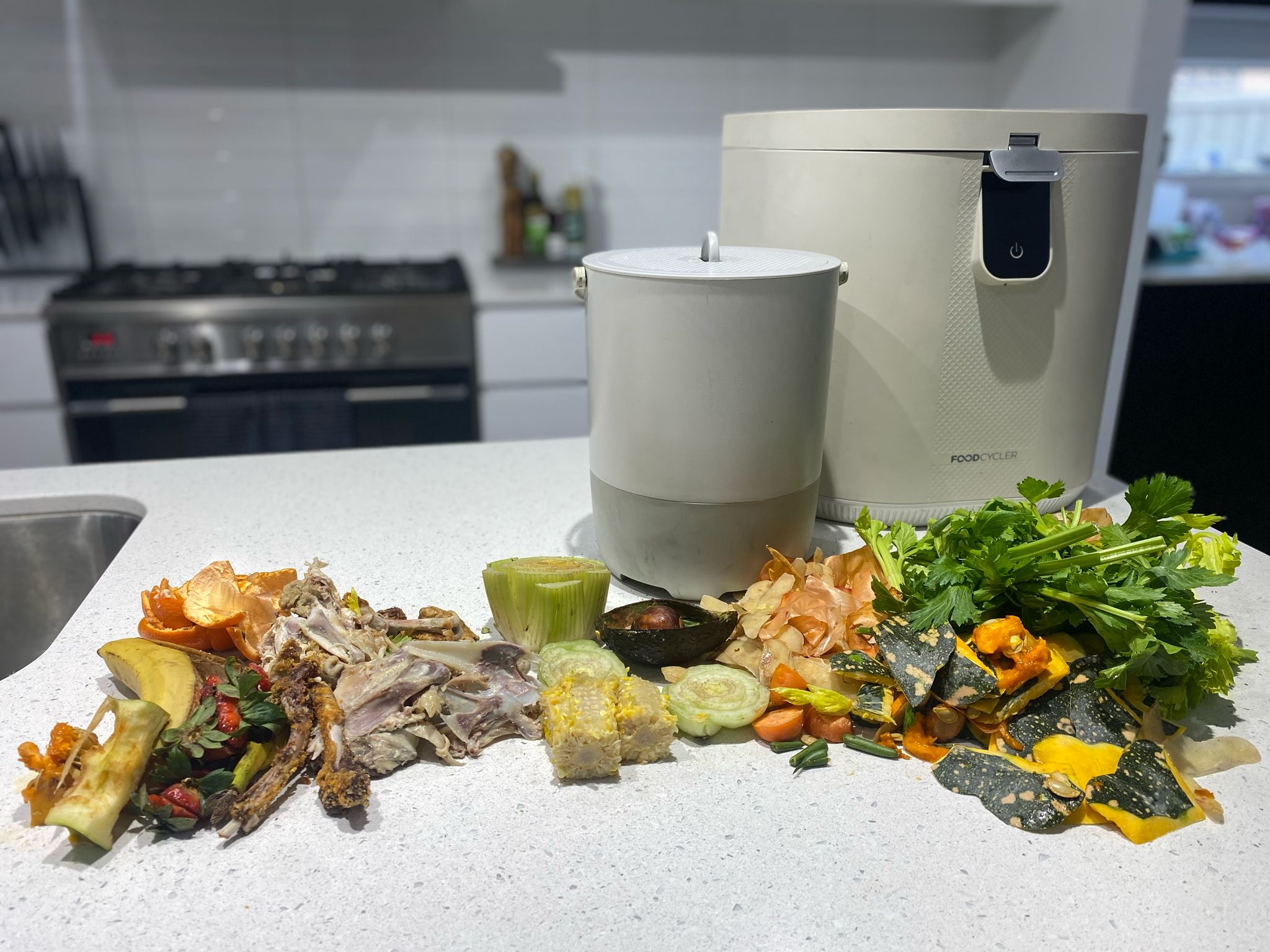
The Eco 75 allows food waste to be processed onsite, reducing volume by up to 90 percent and transforming waste into a stable soil amendment that can be returned to land where appropriate.
That means:
Less reliance on waste collections Lower transport emissions Cleaner, more practical waste rooms Better engagement because people can see the outcome
When people understand the connection between what goes in and what comes out, behaviour changes naturally.
Scale Without Complexity
One of the most common misconceptions about food waste technology is that scaling up means adding complexity.
The Eco 75 proves the opposite.
It offers:
· Consistent daily processing
· Straight forward operation
· Predictable outputs
· Integration into existing waste and sustainability plans
It doesn’t replace education or good procurement. It supports them.
Food Waste Is a Systems Challenge
At enrich360, we don’t see food waste as a single problem with a single solution. It sits within a system that includes:
· Procurement
· Menu planning
· Behaviour Infrastructure
· Education
· End-of-life pathways
The Eco 75 is one part of that system, designed to close the loop and keep food waste out of landfill where it belongs.
If we want to change outcomes at scale, we have to design better systems, not just ask people to try harder.