We Have Made Landfill Too Easy | enrich360

A reflection on behaviour, convenience and what it really takes to change how we manage food waste.
Change is hard.
And this week, a humble red bin managed to remind us of that.
The Victorian Opposition has announced that, if elected, it will bring back weekly general waste collections across Victoria.
I understand why that will appeal to people.
I'm a mum. I know what nappies can do to a bin.
Nobody wants overflowing rubbish sitting outside their home for two weeks.
But I think there is a bigger conversation we need to have.
When change becomes uncomfortable, should we go backwards or should we make the new system work better?
Because there was a reason many councils changed collection frequency in the first place.
When food waste moves out of the red bin and into a weekly organics service, there should simply be less in the red bin.
And apparently, there is.
The Guardian reported this week that food waste accounted for around 40% of the weight of rubbish bins in Whitehorse council material.
It also reported that Boroondara, Knox, Manningham and Monash reduced waste sent to landfill by an average of 19% in the first year after moving to weekly FOGO and fortnightly general waste collections.
That's change.
But here's the bit I think we're missing.
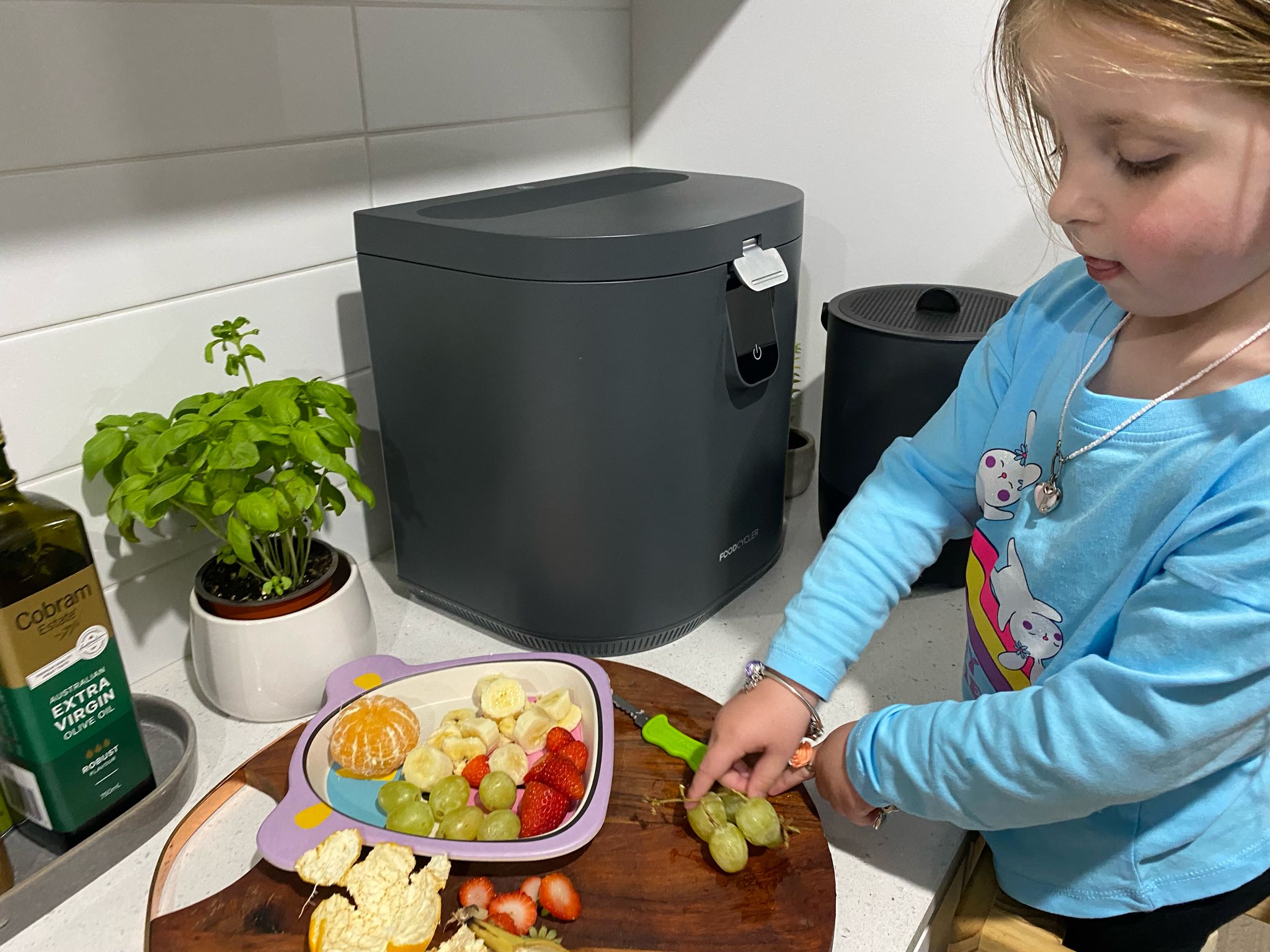
You can't just hand someone a caddy and expect behaviour to change.
I've said this before and I will probably say it another hundred times.
If we want people to change what they do with food waste, we have to connect them to why they are doing it.
Then we have to make the new behaviour easy.
A caddy on the bench doesn't automatically create that connection.
Neither does changing the colour of a bin lid.
We need education.
We need accountability.
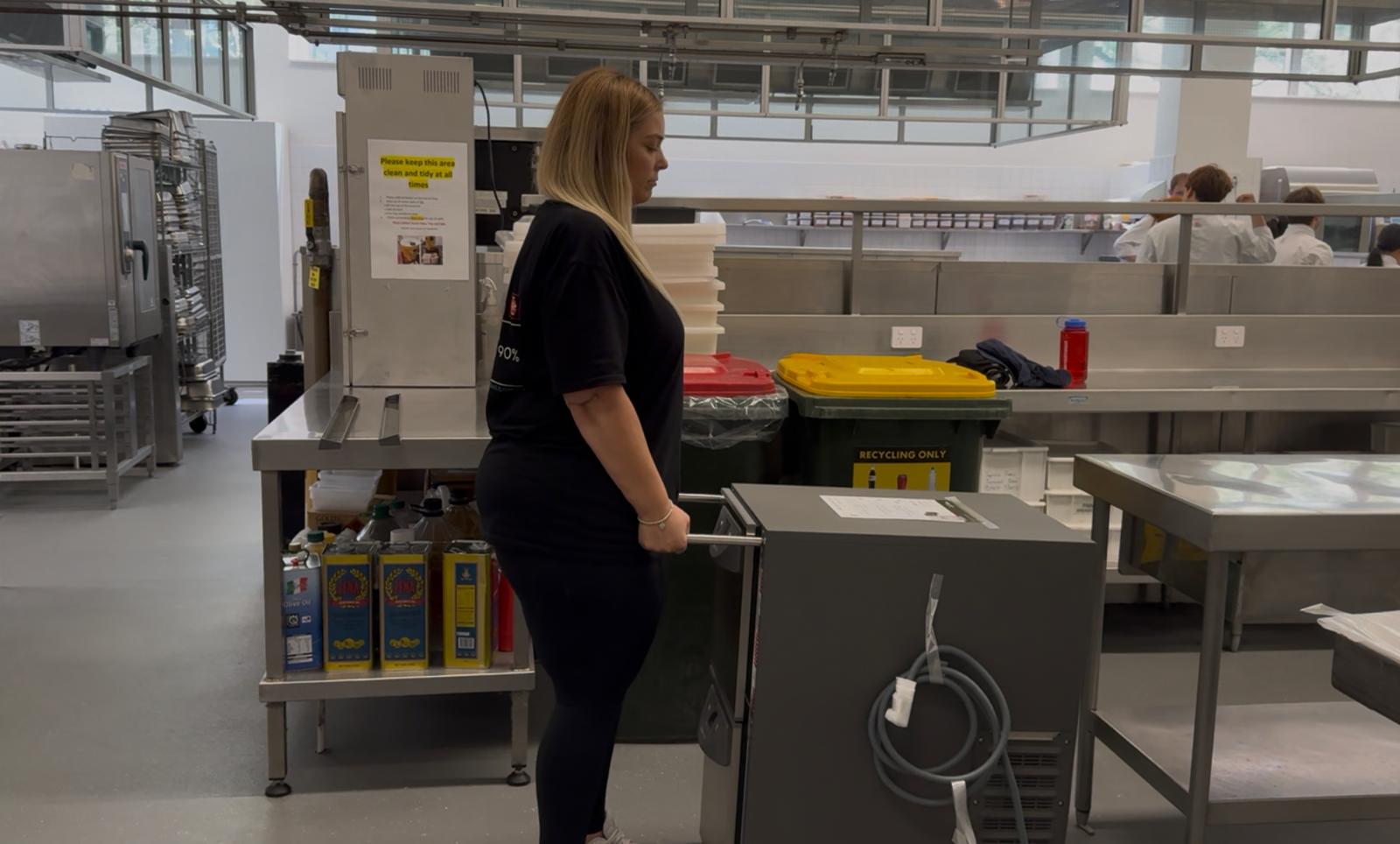
We need systems that work for apartments, families, schools, businesses and commercial kitchens.
And we need to show people what happens to their food waste after they make the effort to separate it.
Because connection is powerful.
When people can see the impact of what they are doing, behaviour starts to change much more naturally.
Convenience is powerful too.
And this is where I think the current red bin conversation gets really interesting.
For decades, we have made landfill incredibly convenient.
Put something in a bin.
Close the lid.
Truck arrives.
Problem disappears.
Except, of course, it doesn't disappear.
We've simply disconnected ourselves from what happens next.
So if we want to change behaviour, we need to be very careful about the systems we design around people.
If landfill is the easiest option, we shouldn't be surprised when people choose it.
That doesn't mean we ignore legitimate problems with new systems.
If bins smell, fix it.
If families with nappies need more capacity, design for it.
If apartment buildings can't accommodate the same system as a suburban home, give them another pathway.
If contamination is high, understand why.
Don't make doing the right thing harder. Make the system better.
And this is bigger than Victoria's red bins.
Australia has a food waste challenge that stretches well beyond the kerbside.
Schools.
Hospitals.
Hotels.
Restaurants.
Commercial kitchens.
Apartment buildings.
Workplaces.
Food manufacturers.
Every one of them creates food waste.
And too often, landfill remains the simplest pathway.
That's the status quo I want to see us change.
At enrich360, our mission is deliberately ambitious.
We want to divert all food waste from landfill.
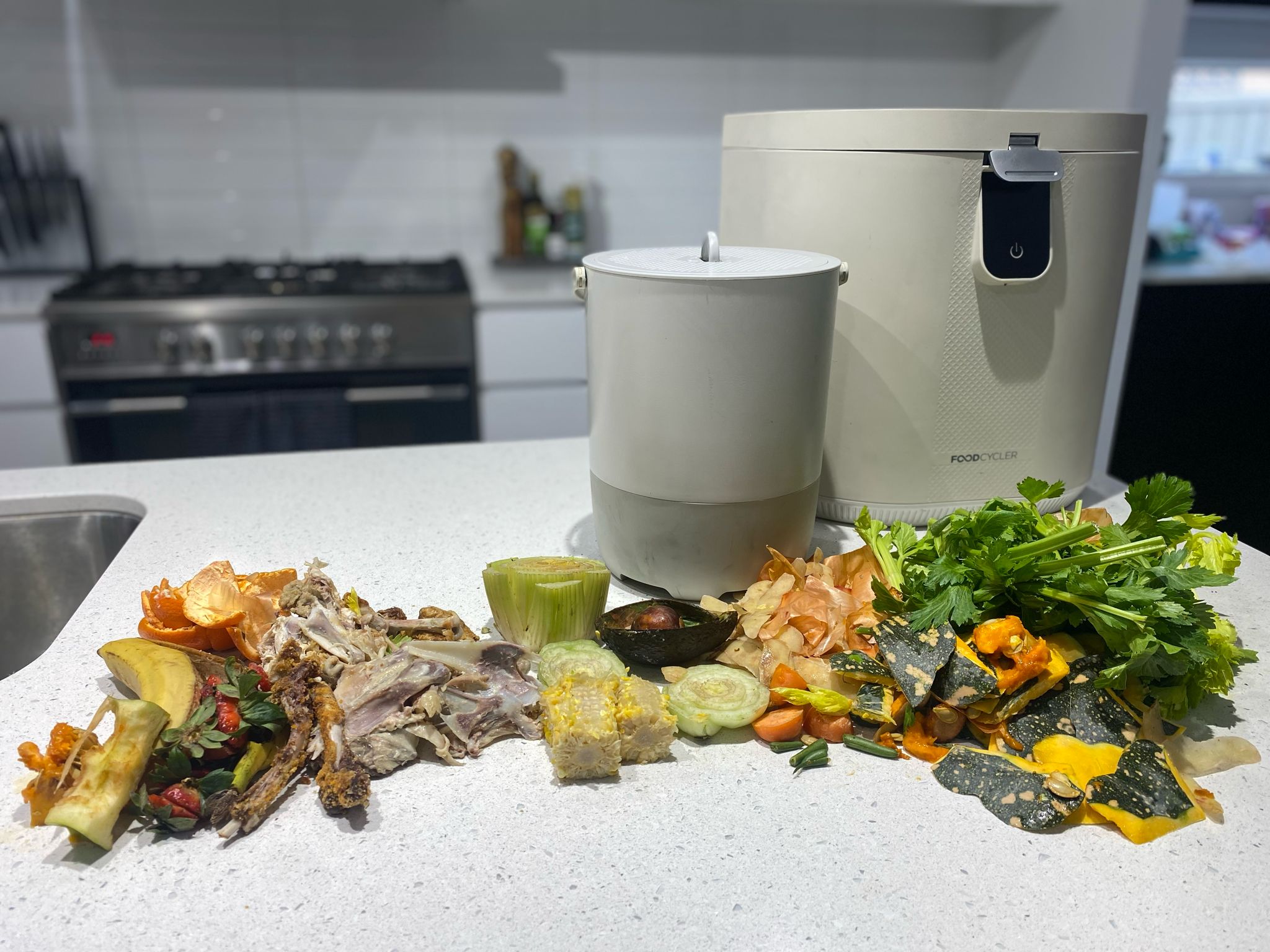
Dehydration technology is one tool that can help us get there.
FOGO is another.
Composting is another.
Anaerobic digestion is another.
Food rescue, prevention and better procurement all have roles to play too.
I don't believe there is one machine, one bin or one system that solves food waste.
I believe we need to make it easier for people and organisations to find the right solution for their waste, their site and their circumstances.
And that is where I think Australia still has work to do.
We need clearer pathways.
Clearer accountability.
Better connection between what we ask people to do and the impact it creates.
And a national framework that makes food waste diversion easier to understand and easier to implement.
Because change is powerful.
But asking people to change without designing the system around them is a recipe for frustration.
So perhaps the question isn't:
Should the red bin be collected weekly or fortnightly?
Perhaps it's:
How do we make landfill the option people need less often in the first place?
That's the conversation I'd love us to be having.
News source
The Guardian, 10 August 2026: Victorian Liberals promise weekly red bin garbage collections for all
.png)