NSW FOGO Is Becoming Mandatory. Are You Ready?

From 1 July 2026, mandatory FOGO requirements will begin rolling out across NSW for particular industries and premises that generate food waste. This marks a significant shift in how food waste is managed and it is closer than many organisations realise.
The mandate sits under the Protection of the Environment Legislation Amendment (FOGO Recycling) Act and is designed to reduce the amount of food waste sent to landfill while supporting NSW’s broader waste reduction targets and net zero commitments.
What does mandatory FOGO mean in NSW?
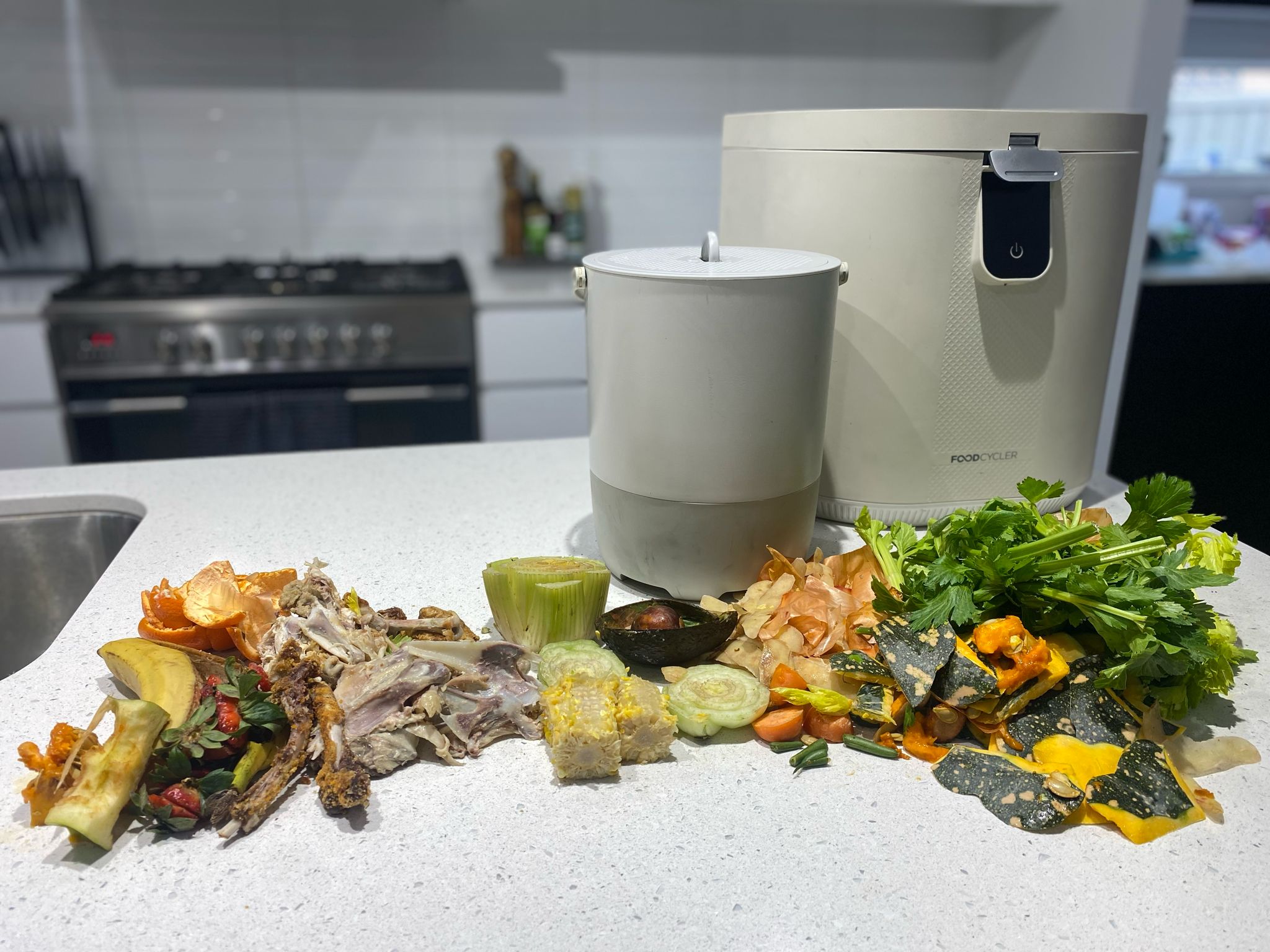
FOGO stands for Food Organics and Garden Organics. Under the NSW rollout, food waste must be separated at source and managed through a dedicated organics stream rather than being sent to landfill.
The NSW Government has confirmed that:
• Large food waste generators must have food waste separation services in place from 1 July 2026
• Councils must provide household FOGO services by 1 July 2030
• The rollout is staged, with compliance timing based on weekly residual waste volumes
This is not a voluntary initiative. It is a regulatory change that will directly impact how food waste is managed on site.
Who does this apply to?
The mandatory FOGO requirements apply to particular industries and premises that handle and generate food waste, with obligations phased in based on the amount of waste produced.
This includes, but is not limited to:
• Councils and local government facilities
• Supermarkets and food retailers
• Hospitality venues such as cafes, restaurants, pubs and hotels
• Hospitals, aged care and health facilities
• Schools, universities and other large institutions
Larger food waste generators are required to comply earlier, with smaller generators phased in through to 2030. Some sectors, particularly large supermarkets, will also be subject to additional food donation and reporting requirements.
Why this matters beyond compliance
For many organisations, food waste has traditionally been treated as a disposal issue. The NSW FOGO mandate reframes food waste as an operational and systems challenge.
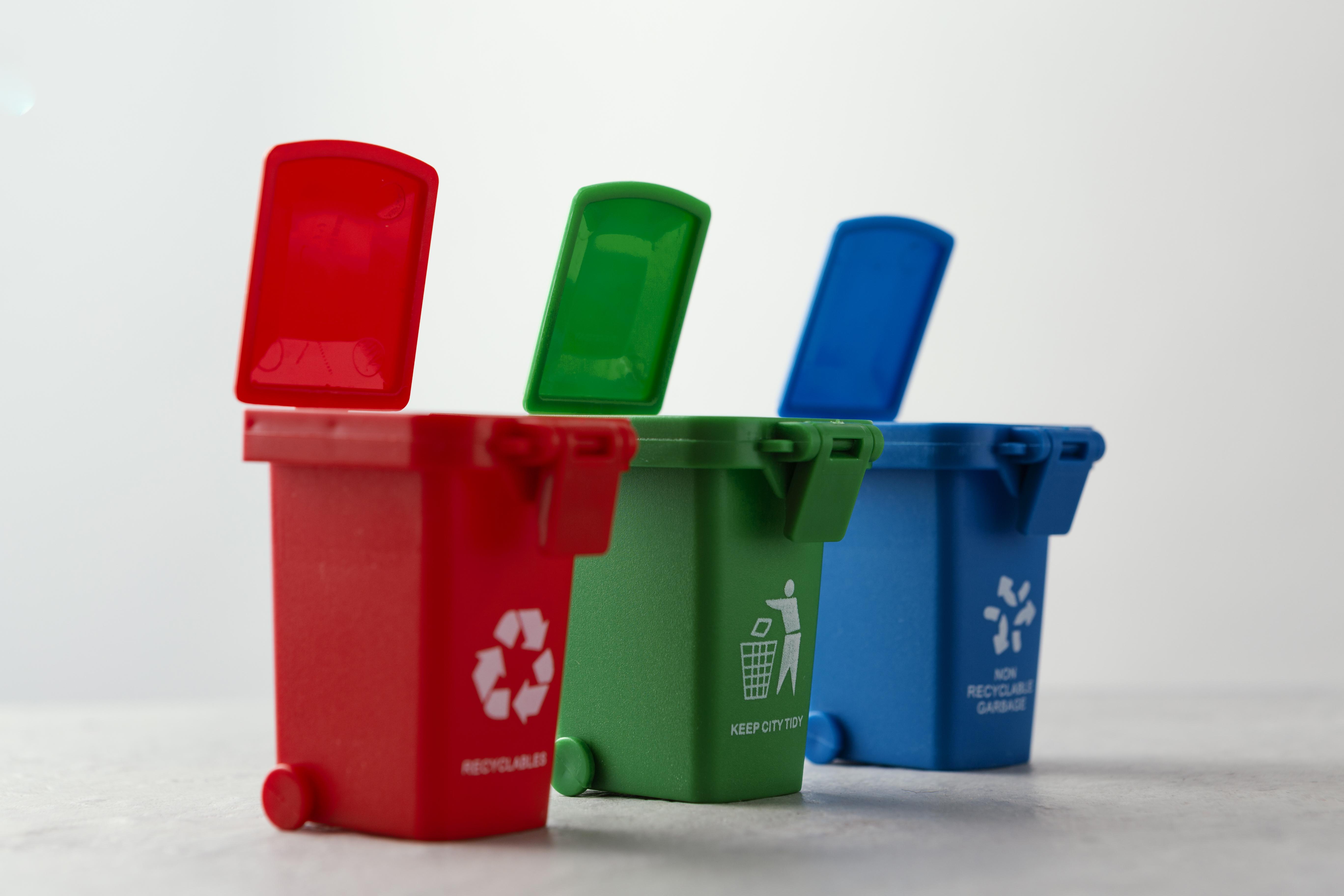
Successful separation is not achieved by simply adding another bin. It requires:
• Clear processes that integrate into daily workflows
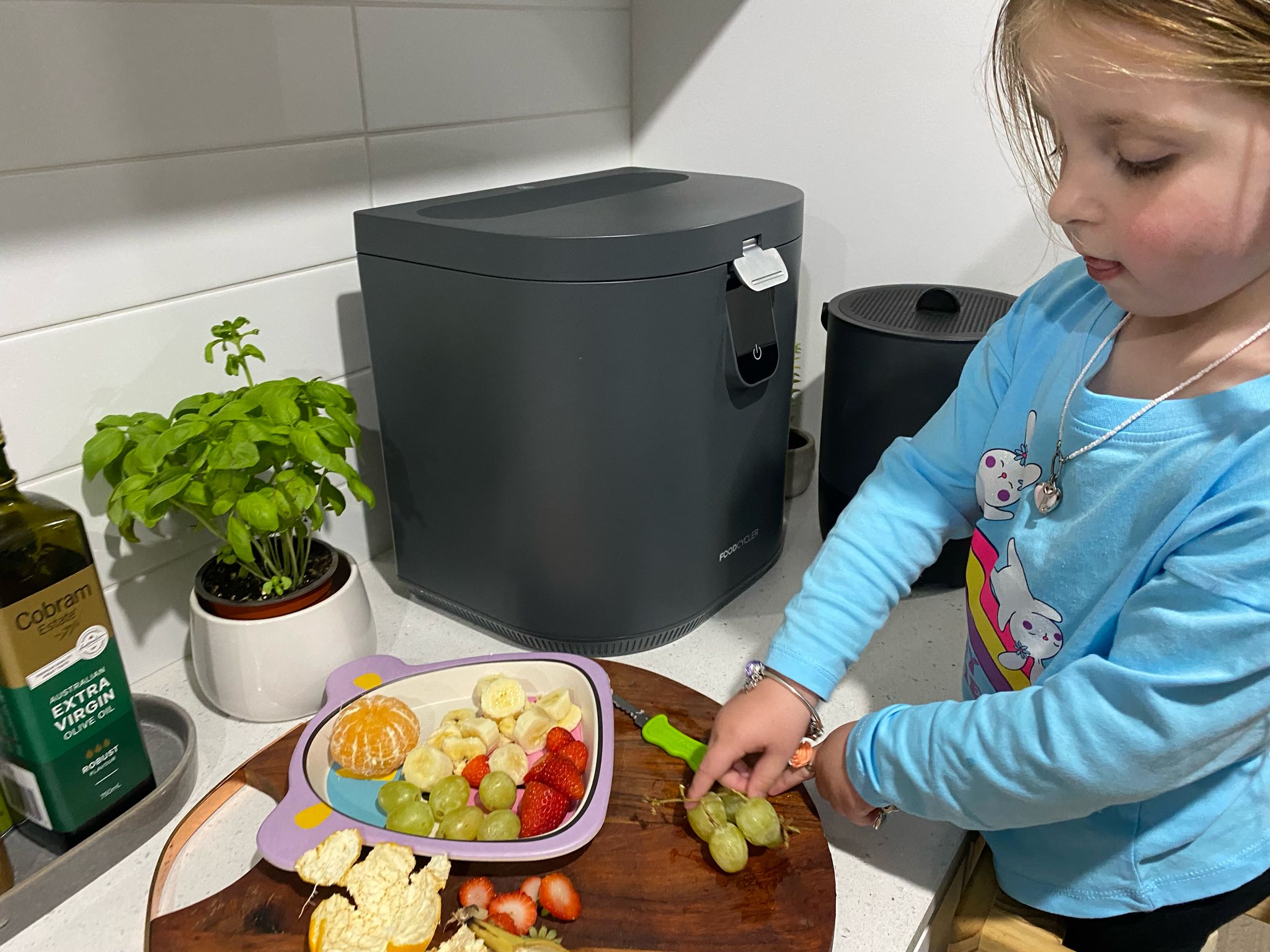
• Engagement and education for staff, residents and users
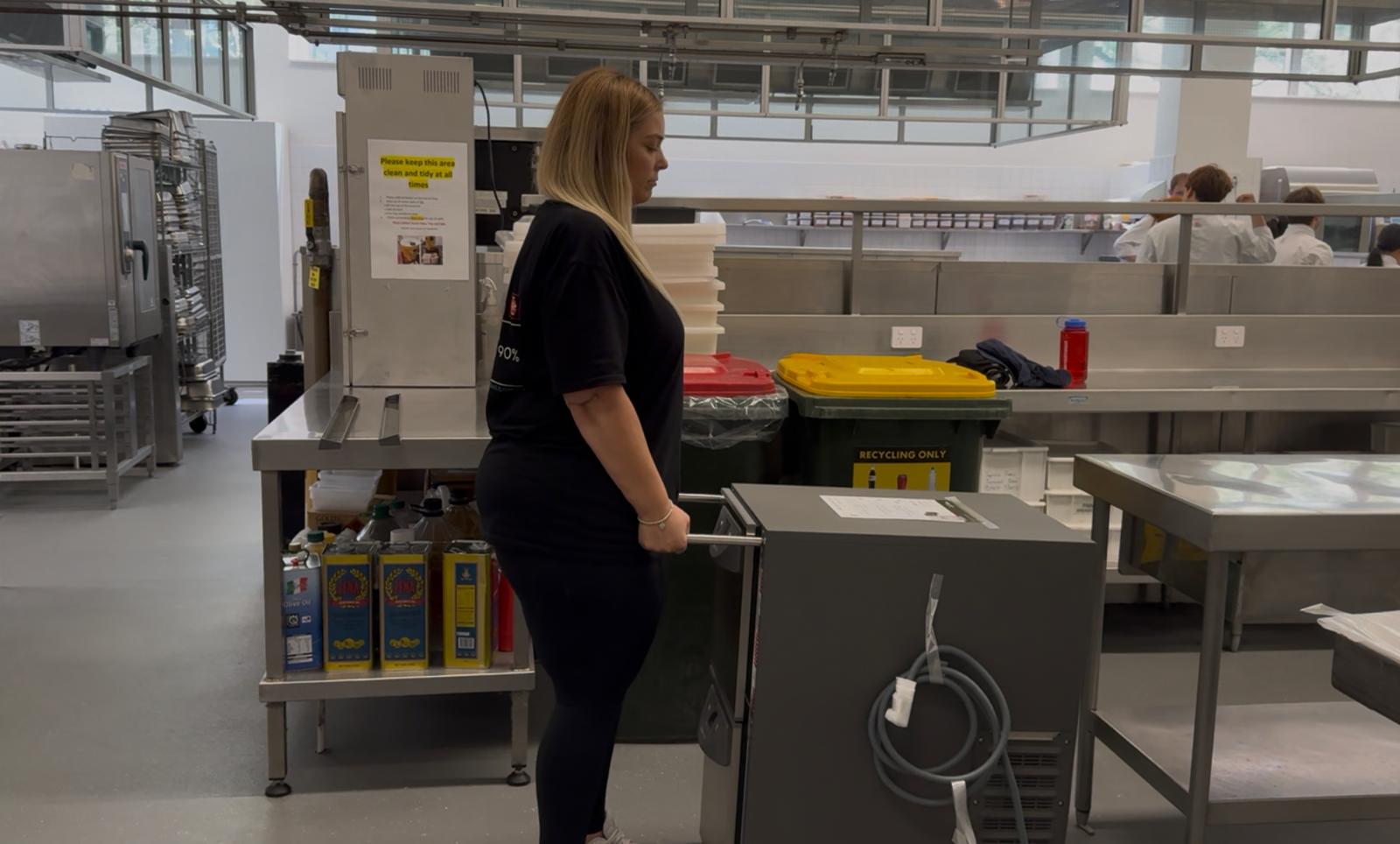
• Practical infrastructure that works at scale and on site
Organisations that start early gain flexibility. They can pilot systems, refine processes, and avoid the pressure of last minute compliance.
Preparing for mandatory FOGO in NSW
If your organisation operates in NSW, now is the time to:
• Review how food waste is currently generated, handled and disposed of
• Assess whether existing infrastructure supports separation at source
• Explore pilot programs that allow systems to be tested well before 1 July 2026
FOGO is more than a regulatory requirement. When implemented well, it becomes an opportunity to reduce general waste volumes, improve operational efficiency, and build stronger engagement with the people using the system every day.
References
NSW Environment Protection Authority.
"FOGO mandates and rollout" https://www.epa.nsw.gov.au/your-environment/recycling-and-reuse/business-government-recycling/food-organics-and-garden-organics/fogo-mandates-and-rollout
NSW Government
Protection of the Environment Legislation Amendment (FOGO Recycling) Act